Introduction: Starting Wicca Without Fear or Confusion
Beginning your Wiccan journey can feel exciting… and overwhelming at the same time.
There are spells everywhere. Books promising instant results. Lists that jump straight into rituals before explaining why or how. For many beginners, this creates uncertainty — not empowerment.
The truth is simple:
Wiccan spells for beginners are not about power.
They are about alignment.
This guide is written for those who are just starting out and want to learn Wicca slowly, safely, and respectfully — without pressure, dogma, or fear of “doing it wrong.”
Whether you’re curious, newly committed, or quietly exploring, this page will help you understand:
-
What beginner Wiccan spellwork really looks like
-
Which foundations matter before casting spells
-
How to grow naturally into deeper practice
What Makes a Spell “Beginner-Friendly” in Wicca?
A true beginner Wiccan spell is:
-
Simple in structure
-
Light in energetic demand
-
Focused on intention, not outcome

-
Grounded in everyday practice
It does not require:
-
Advanced tools
-
Complex invocations
-
High ceremonial language
-
Calling unfamiliar forces
In traditional Wiccan teaching, spellwork comes after awareness — not before it.
This is something Jayne often reminds new practitioners of in her private notes:
“A spell doesn’t awaken the witch. The witch awakens the spell.”
Common Beginner Mistakes (and How to Avoid Them)
Every beginner makes mistakes — and that’s not a problem.
The real issue is when newcomers feel discouraged because they were never told what’s normal, what’s unnecessary, and what can wait.
Here are some of the most common beginner missteps in Wiccan spellwork — and how to gently avoid them.
Trying to Do Too Much, Too Soon
Many beginners feel pressure to perform elaborate rituals early on. Complex spellwork often looks impressive, but it isn’t required for meaningful practice.
Wicca values awareness over performance. Simple, intentional acts are far more effective than complicated rituals performed without grounding.
Comparing Your Practice to Others
Online spaces can make it seem like everyone else is “doing more” or progressing faster. In reality, most Wiccans develop privately and slowly.
Your path is not behind — it is yours.
Focusing Only on Results
Spellwork isn’t a vending machine. When beginners obsess over outcomes, they often miss the internal growth that matters most.
Learning how you feel before, during, and after a spell is more important than whether something “happens” immediately.
Ignoring Foundational Practices
Grounding, centering, and meditation may seem basic, but skipping them often leads to frustration or emotional fatigue.
These practices aren’t optional add-ons — they are what keep spellwork balanced and safe.
Core Foundations Before You Cast Any Spell
Before attempting even the simplest Wiccan spells for beginners, it’s important to understand a few core practices. These are not rules — they are stabilisers.
1. Grounding
Grounding teaches you how to return excess energy to the earth. Without it, beginners often feel scattered, emotional, or drained after spellwork.
2. Centering
Centering helps you act from calm intention instead of impulse. This is essential for ethical spellcasting.
3. Raising Energy
Energy is not “summoned” — it is cultivated through breath, focus, rhythm, and presence.
4. Visualisation
Clear visualisation strengthens spell clarity. Vague images produce vague results.
5. Meditation
Meditation trains awareness. Without it, spellwork becomes guesswork.
These practices appear again and again in respected beginner texts for a reason: they work.
What Wicca Is (and Is Not) for Beginners
One of the reasons beginners feel confused is because Wicca is often misunderstood — even by those who practice it.
Clarifying what Wicca is not can be just as helpful as explaining what it is.
Wicca Is Not About Control
Wiccan spellwork does not exist to dominate others or force outcomes. Ethical practice emphasises harmony, responsibility, and self-awareness.
Wicca Is Not Instant or Mechanical
There is no guaranteed formula that works the same way for everyone. Spellwork is personal, contextual, and deeply tied to intention and mindset.
Wicca Is Not Separate From Everyday Life
For beginners especially, Wicca is lived through small choices, awareness of nature, and personal ethics — not just ritual moments.
Understanding these distinctions helps beginners approach spellwork with confidence instead of anxiety.
Gentle Wiccan Spell Types Suitable for Beginners
Rather than listing spells as recipes, it’s healthier to understand categories of beginner spellwork.
🌿 Intention Spells
Simple spoken or written affirmations aligned with clarity, peace, or focus.
These spells help beginners learn how words, focus, and emotion shape energy. They are ideal for daily practice and journaling.
🕯 Candle Spells
Single-candle rituals using colour symbolism and calm intention.
Candle magic teaches patience and symbolism. Watching a flame burn reinforces presence and mindfulness rather than urgency.
🌙 Daily Devotional Magic
Blessings, prayers, or mindful actions woven into everyday life.
This form of practice helps beginners integrate Wicca naturally into daily routines, strengthening consistency without pressure.
🌱 Nature-Based Acts
Offerings, seasonal observances, or quiet acts of respect for the natural world.
Working with nature fosters respect, humility, and seasonal awareness — all core Wiccan values.
These practices teach awareness, responsibility, and patience — qualities that matter far more than results.
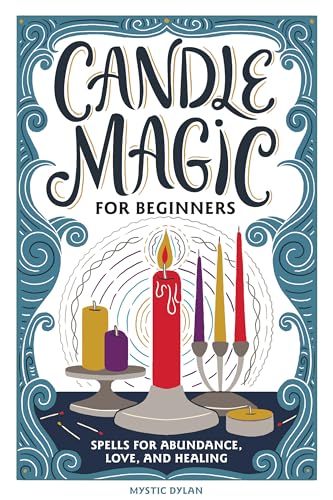
Candle Magic for Beginners
Candle Magic for Beginners: Spells for Abundance, Love, and Healing
Product information
$14.99 $8.83
Product Review Score
4.22 out of 5 stars
42 reviewsProduct links
Learning Wicca as a Way of Life (Not Just Spells)
One of the most common beginner mistakes is treating Wicca as a collection of spells rather than a spiritual path.
Wicca is not just what you do — it is how you relate to:
-
Ethics
-
Cycles and seasons
-
Self-responsibility
Books and resources that focus on living Wicca — not just spellcasting — help beginners build a stable, confident practice that lasts.
This is why foundational learning is so often recommended before more advanced rituals.
The Importance of Language, Symbols, and Understanding
Another challenge for beginners is learning the language of Wicca.
Symbols, terms, and concepts appear quickly — often without explanation. This can make newcomers feel excluded or inadequate.
Beginner-friendly learning tools help by:
-
Explaining symbols clearly
-
Offering definitions without judgment
-
Allowing self-paced exploration
Understanding the language of Wicca strengthens confidence and reduces reliance on rigid instructions.
Creating Your Own Book of Shadows (Slowly)
A Book of Shadows does not begin as a sacred tome.
For beginners, it starts as:
-
Notes
-
Observations
-
Reflections
-
Small rituals that worked (or didn’t)
Over time, it becomes personal, meaningful, and alive.
Jayne often frames this stage beautifully:
“Your first Book of Shadows isn’t meant to be impressive. It’s meant to be honest.”
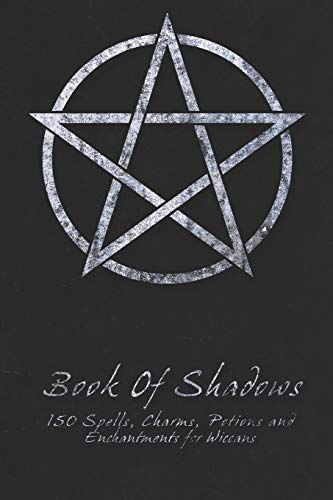
Book Of Shadows - 150 Spells, Charms, Potions and Enchantments for Wiccans
Unleash the Forces of Nature with Our Spell Book for Wiccans: Powerful Enchantments and Charms
Product information
$9.99
Product Review Score
4.2 out of 5 stars
191 reviewsProduct links
Knowing When You’re Ready — and When You’re Not
Beginners often ask, “Am I ready to do more?”
The better question is:
“Do I feel steady in what I’m already doing?”
Signs you may benefit from staying with beginner practices a little longer include:
-
Feeling overwhelmed by too much information
-
Needing constant reassurance
-
Chasing outcomes instead of understanding
Signs you may be ready to explore deeper learning include:
-
Comfort with foundational practices
-
Clear ethical boundaries
-
Patience with results
-
A sense of curiosity rather than urgency
This is where structured learning systems can be helpful — not as shortcuts, but as guided progression.
It’s also why Jayne’s Grimoire is often spoken of quietly rather than loudly:
it’s designed for those who have learned to wait.
When (and How) to Explore Deeper Spellwork
There will come a time when beginner spells no longer feel challenging.
That’s not a failure — it’s growth.
Signs you’re ready to explore deeper practice include:
-
Comfort with grounding and centering
-
Clear ethical boundaries
-
Patience with outcomes
-
Respect for energy balance
At this stage, guided systems — such as structured grimoires or progressive spell arcs — can help practitioners deepen safely rather than randomly.
This is where Jayne’s Grimoire is often mentioned quietly among those who value earned magic, not shortcuts.
Frequently Asked Questions: Wiccan Spells for Beginners
Is it safe to practice Wiccan spells as a beginner?
Yes — when spells are simple, ethical, and grounded in self-awareness. Avoid complex rituals early on.
Do I need special tools to begin?
No. Most beginner spellwork uses intention, breath, focus, and everyday items.
How long should I study before casting spells?
Many beginners start with intention-based or devotional practices while learning foundations simultaneously.
Can I practice alone?
Absolutely. Many Wiccans begin as solitary practitioners.
What if a spell doesn’t “work”?
That’s part of learning. Reflection is more important than results at this stage.
A Final Word for Beginners
Wiccan spells for beginners are not tests.
They are invitations.
To slow down.
To listen.
To notice.
If you approach Wicca with curiosity rather than urgency, your practice will unfold naturally — and safely.
And when deeper work eventually calls to you, you’ll be ready to meet it.