
By Jayne
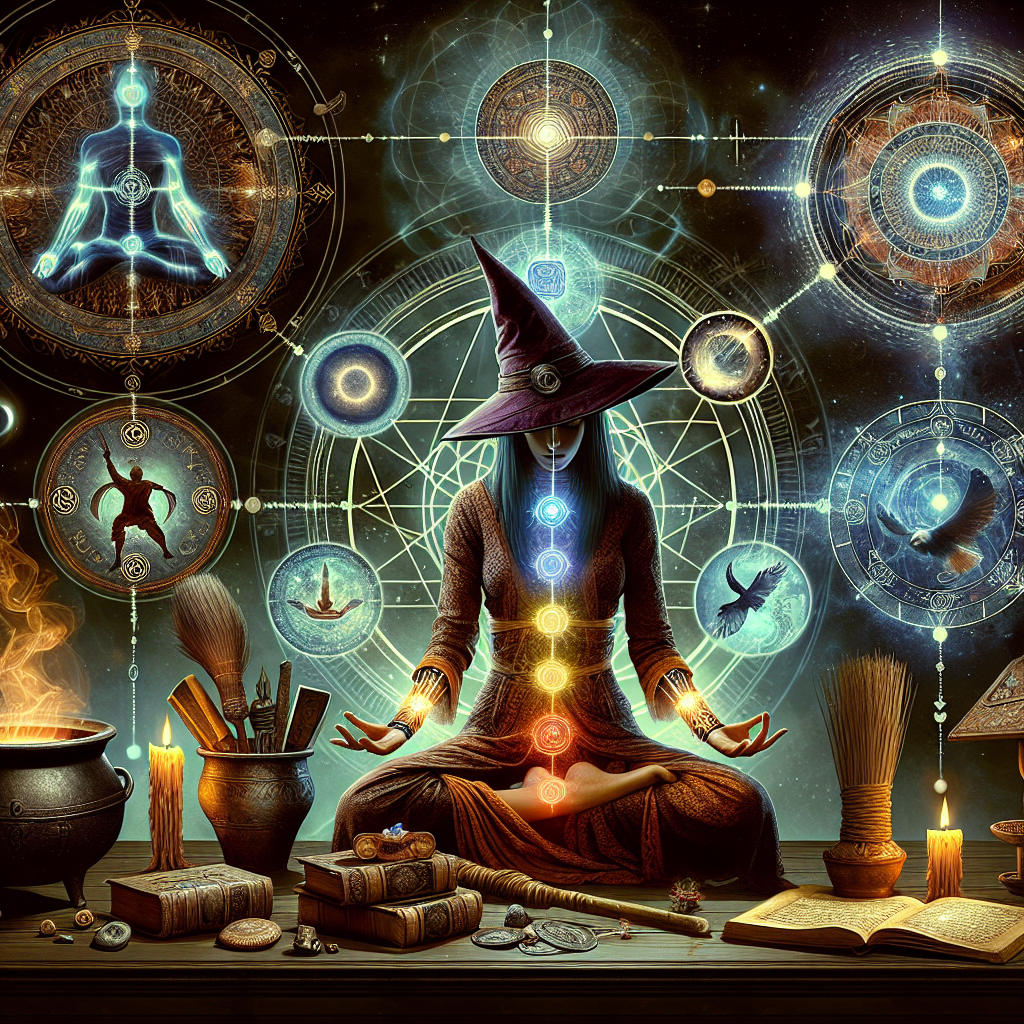
A psychic witch is not defined by spectacle, supernatural claims, or dramatic displays of power. Instead, a psychic witch is someone who practices witchcraft through heightened awareness — intuition, perception, and sensitivity — using inner knowing as a guide rather than rigid structure alone.
Many people discover this path not because they sought it out, but because they already experience the world differently. They may sense emotional shifts before words are spoken, feel energy in spaces or people, or receive insights that seem to arrive fully formed, without conscious effort. Psychic witchcraft offers language and structure for these experiences, grounding them in practice rather than fantasy.
This guide explores what a psychic witch truly is, how psychic abilities integrate with witchcraft, and how intuitive awareness can be developed responsibly and ethically as part of a magical path.
What Is a Psychic Witch?
A psychic witch is a practitioner who blends intuitive perception with traditional or modern witchcraft practices. Rather than relying exclusively on pre-written spells, correspondences, or formal rituals, psychic witches allow awareness to shape how and when they work.
Psychic witchcraft is not separate from witchcraft — it is a mode of engagement. The magic is responsive, adaptive, and personal. Decisions about timing, intention, and method often come from sensing rather than instruction.
Importantly, psychic ability does not replace skill or study. Instead, it informs them. Psychic witches still learn, practice, and refine their craft — but intuition plays a central role in how knowledge is applied.
Are Psychic Witches Different from Traditional Witches?
The difference lies less in belief and more in emphasis.
Traditional witchcraft often works within established systems: rituals passed down through tradition, symbolic correspondences, lunar timing, and structured spell formats. Psychic witches may use these same tools, but they are more likely to adapt or modify them based on what they perceive in the moment.
A psychic witch may feel when a spell should be delayed, altered, or abandoned altogether. They may sense which element, word, or gesture carries the most weight — even if it contradicts expectation.
Neither approach is superior. Many witches move fluidly between both, discovering that intuition and structure support one another when balanced correctly.
If you’d like to explore practical spellwork foundations alongside intuitive development, start here: Warlock Spells and Spells That Work.
Common Traits of a Psychic Witch
Psychic witches do not all share the same abilities, but there are recurring patterns many recognise:
- Strong intuition or “gut knowing”
- Heightened emotional or energetic sensitivity
- Vivid dreams or symbolic inner imagery
- Deep attunement to nature, cycles, and atmosphere
- An instinctive sense of timing
- A preference for personalised practice over rigid systems
These traits are not exclusive to witches. Many people experience them without practising magic at all. What distinguishes a psychic witch is the intentional integration of these abilities into their craft.
The Role of Intuition in Psychic Witchcraft
Intuition is the foundation of psychic witchcraft. It functions as an internal compass, guiding action, restraint, and interpretation.
Rather than asking “Which spell should I use?”, psychic witches often ask:
- What is actually happening here?
- Is action required, or observation?
- What energy is present?
- What outcome aligns with balance rather than desire alone?
Over time, intuition becomes more refined. It shifts from impulse to discernment — a quiet clarity rather than an urgent push. Learning to trust intuition responsibly is central to this path, and it requires patience, self-honesty, and grounding.
Core Psychic Abilities Explained
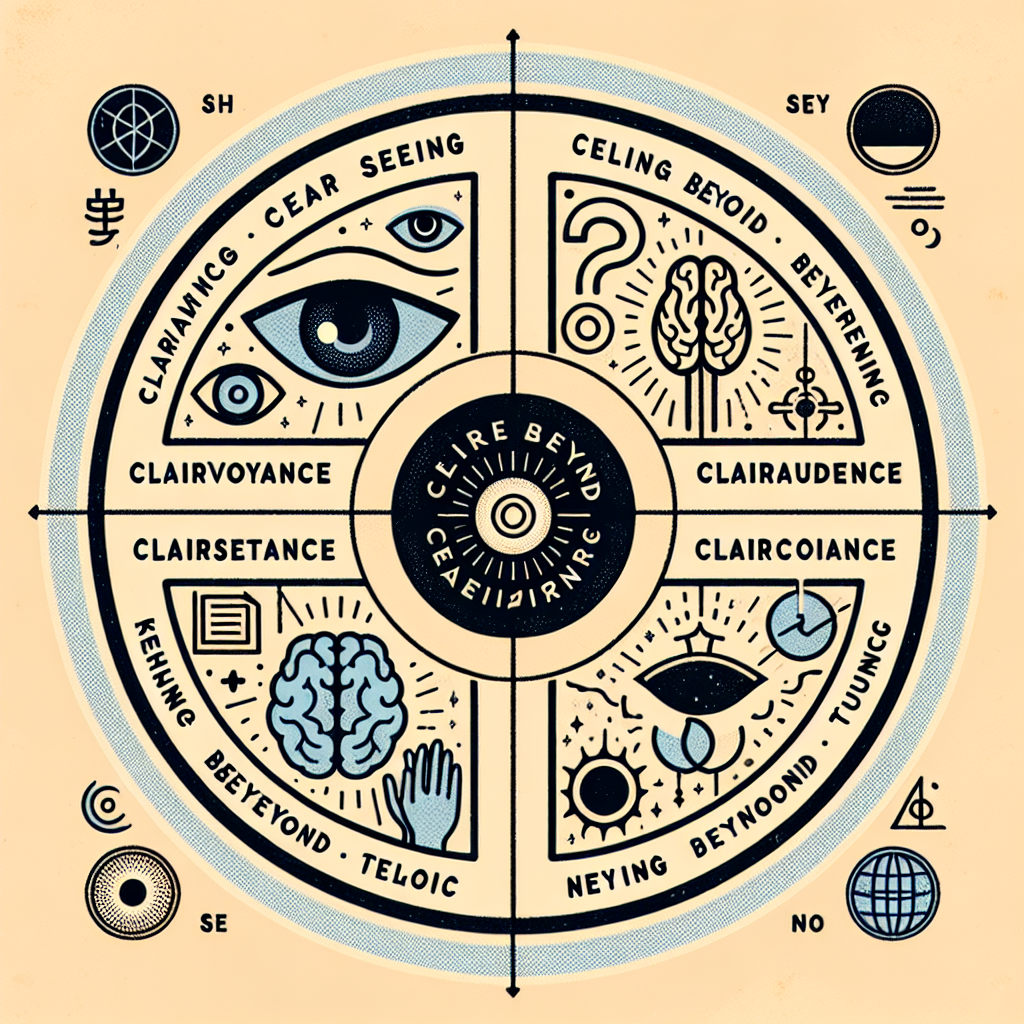
Psychic abilities are often described using traditional terms beginning with clair- (“clear”). These labels are helpful, but they are not rigid categories. Most people experience overlaps.
Clairvoyance (Clear Seeing)
Clairvoyance involves receiving visual impressions internally. These may appear as images, symbols, colours, or fleeting scenes. They are rarely literal and often symbolic, requiring interpretation rather than assumption.
In witchcraft, clairvoyance may inform spell imagery, dream work, visualisation, or divination. If dreams are one of your strongest channels, you may enjoy building foundational practice around spellwork that anchors intention clearly.
Clairaudience (Clear Hearing)
Clairaudience refers to receiving information through sound-like impressions — inner words, tones, or phrases that feel received rather than consciously generated. This is subtle, internal, and often quiet.
Discernment is essential to avoid mistaking imagination, anxiety, or expectation for insight. A calm body and a steady practice are the difference between noise and message.
Clairsentience (Clear Feeling)
Clairsentient witches perceive information through sensation or emotion. They may feel shifts in energy, emotional undercurrents, or physical responses that signal meaning. This ability often develops alongside empathy and requires strong grounding to prevent overwhelm.
Claircognizance (Clear Knowing)
Claircognizance is sudden understanding without logical reasoning. Information appears whole, without a visible source. This ability often supports decision-making and timing rather than prediction.
Developing Psychic Awareness Safely
Psychic development is not about forcing ability. In fact, force is often counterproductive. Psychic awareness grows through balance, stability, and presence.
Meditation and Stillness
Meditation allows the mind to quiet so perception can surface. Gentle practices focused on breath, awareness, or body presence are often more effective than intense visualisation. Over time, stillness becomes familiar — and intuition easier to recognise.

Energy Awareness and Grounding
Grounding anchors awareness in the body and the present moment. Techniques include conscious breathing, visualising connection to the earth, physical movement, and time spent outdoors. Grounding protects against psychic fatigue and emotional overload.
Divination as a Training Tool
Divination tools do not create psychic ability — they focus it. Tarot, pendulums, runes, and scrying surfaces provide symbolic frameworks through which intuition can communicate. Used thoughtfully, they help practitioners learn how intuitive accuracy feels.
For a gentle next step that supports intuitive ritual work without overwhelm, explore the broader category of: Spells & Rituals.
Psychic Protection
Protection is essential. Psychic openness without boundaries leads to exhaustion, confusion, or emotional imbalance. Protective practices may include visualised energetic boundaries, cleansing rituals, intentional rest, and limiting exposure during sensitive periods.

MAGNIFICENT 101 Pure Sage Smudge Set of 3 Candles
Enhance your rituals with the calming energy of our handcrafted sage candles for cleansing and focus
Product information
$19.99
Product Review Score
4.85 out of 5 stars
50 reviewsProduct links
Integrating Psychic Ability with Witchcraft Practice
When psychic awareness and witchcraft are integrated, magic becomes responsive rather than formulaic.
Intuitive Spellwork
Psychic witches often adjust spells intuitively — altering wording, timing, or focus based on perceived conditions rather than fixed instructions. This does not weaken magic. When done responsibly, it often strengthens it.
Spirit Awareness and Communication
Some psychic witches experience communication with guides, ancestors, or symbolic energies. These experiences are usually subtle — impressions, feelings, or insights rather than direct messages. Discernment and grounding are crucial here.
Astral and Inner Exploration
Practices such as astral exploration or deep inner journeying are approached cautiously and only when stability is well established.

Psychic Healing
Healing work combines intuitive insight with traditional methods such as herbs, crystals, and energy balancing. Psychic awareness informs where attention is needed; witchcraft provides the method.
Walking the Path of the Psychic Witch
Psychic witchcraft is not about proving ability. It is about learning when to act, when to listen, and when to step back.
This path rewards patience, self-awareness, and humility. Psychic awareness deepens over time when it is respected rather than chased.
For those who want deeper guidance that blends meditation, magick, and manifestation, you may enjoy the book commonly recommended within this path:
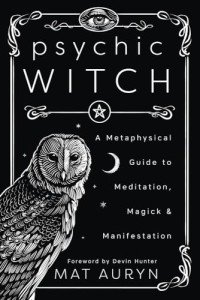
Psychic Witch: Metaphysical Guide to Magick & Manifestation
Unlock the secrets of your inner power and learn to harness the energy of the universe for transformation and abundance
Product information
$18.99 $17.70
Product Review Score
4.36 out of 5 stars
216 reviewsProduct links
And if you’re building a daily practice — protection, grounding, and steady inner development — keep your work simple and consistent. That’s how power becomes real.
Frequently Asked Questions
What is a psychic witch?
A psychic witch is a witch who integrates intuitive perception — such as intuition, energy awareness, inner knowing, or divination sensitivity — into their witchcraft practice.
Are psychic witches born or made?
Many people are naturally sensitive, but psychic awareness strengthens through practice, grounding, and consistent spiritual hygiene. Most develop over time rather than appearing overnight.
Are all witches psychic?
No. Some witches rely primarily on ritual structure and tradition. Others lean on intuition. Many blend both approaches, letting structure support intuition and intuition refine structure.
Is psychic witchcraft dangerous?
Not when practiced responsibly. The key is grounding, protection, emotional balance, and discernment — especially if you are naturally sensitive.
Can beginners practice psychic witchcraft?
Yes. Beginners should start gently with meditation, grounding, and simple divination. Focus on building steadiness before exploring intense spiritual experiences.
External resources for deeper understanding:
Divination definition (Britannica)
How cognitive biases affect interpretation (APA)